
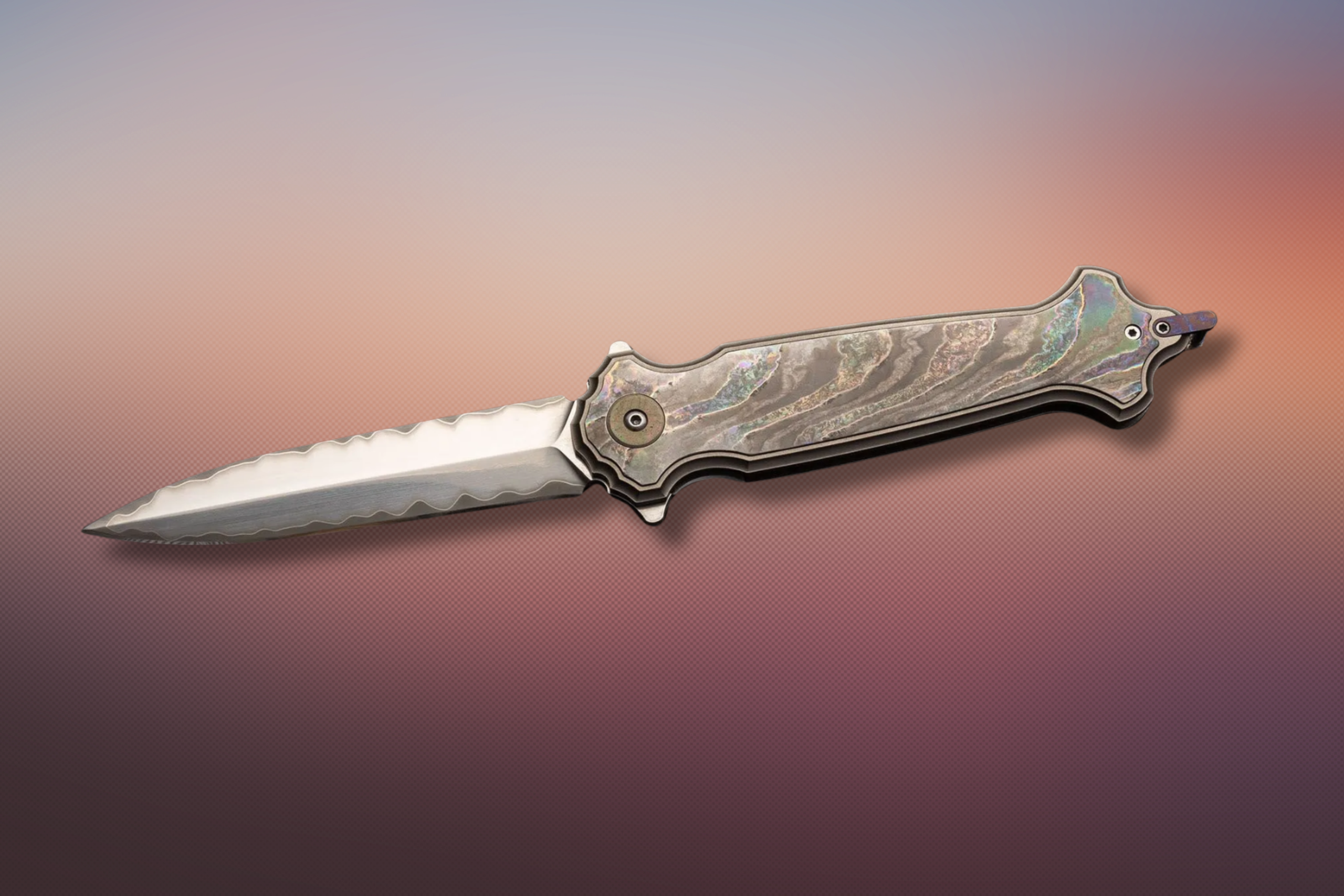
When you hold a custom knife, the handle tells a story before the blade ever touches work. After two decades of crafting premium knives, I’ve learned that handle material affects how a knife balances in your hand during a four-hour field dressing session, how it ages over years of use, and whether it becomes more valuable or just more worn.
The handle material you choose determines whether your knife becomes a trusted tool, a treasured heirloom, or an expensive disappointment.
While exotic materials like mammoth ivory and stag horn define aesthetic excellence, the synergy between handle and blade determines a knife’s true performance. Premium Damascus or M390 steel requires ergonomic handle materials—whether natural or modern composites like Micarta—to achieve balanced EDC functionality.
Manufacturers like nobliecustomknives.com demonstrate how bespoke artistry integrates precision locking mechanisms with carefully selected handle materials, creating tools where form serves function. This holistic approach to knife anatomy separates production pieces from handcrafted instruments designed for daily carry.
Why Handle Material Deserves Your Attention
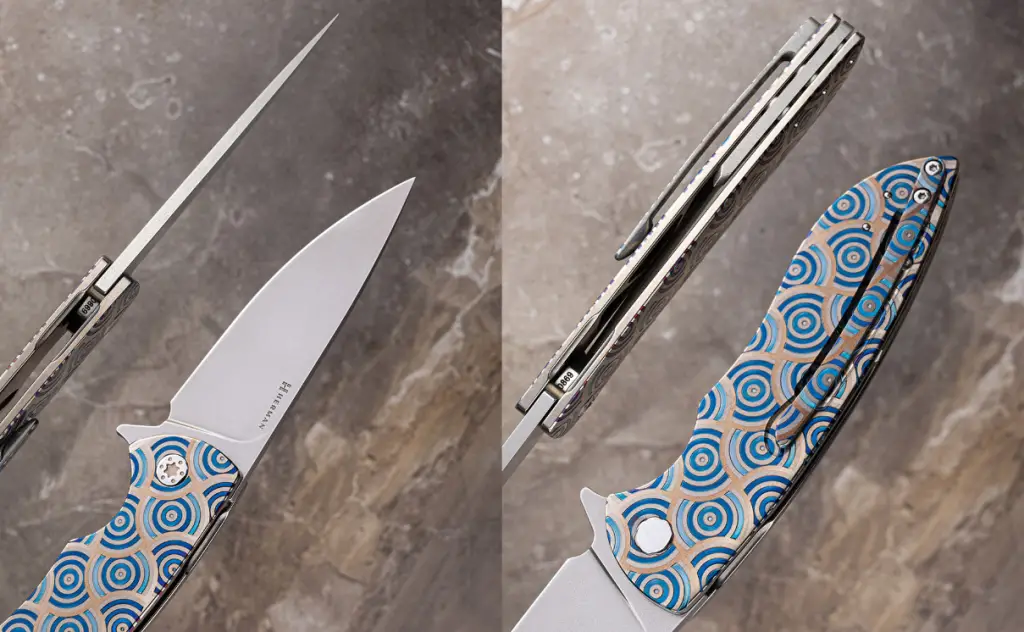
The handle represents roughly 40% of a knife’s total weight and directly influences blade control during precision work. A poorly matched handle material can turn an $800 blade into a $300 experience. I’ve seen collectors invest in Damascus steel and then compromise the entire piece with an inappropriate handle choice.
Your handle material affects three critical performance factors: grip security under wet or bloody conditions, long-term dimensional stability, and the knife’s overall balance point. A blade-heavy knife causes hand fatigue. A handle-heavy knife reduces cutting control. The material you select shifts this equation by 15-30mm in either direction.
What Separates Premium Materials from Standard Options
Premium natural materials—horn, mammoth ivory, and exotic hardwoods—offer unique grain patterns that make each knife genuinely one-of-one. The practical answer involves density, porosity, and how the material responds to temperature fluctuations and moisture exposure.
Standard materials like G10 or Micarta provide consistent performance. They’re predictable. Premium natural materials require understanding their specific characteristics and matching them to your actual use case. A stabilized burl that’s perfect for a display piece might be wrong for a hunting knife that sees blood, rain, and temperature swings from 20°F to 90°F in a single season.
Horn: The Working Man’s Exotic
Horn handles have served knife makers for centuries because horn delivers exceptional grip texture and natural antimicrobial properties. Stag horn, ram horn, and buffalo horn each bring distinct characteristics to a blade.
- Stag horn provides the most aggressive natural texture. Those crown points and rough surface create a mechanical grip that works even when your hands are covered in fish slime or game blood. The material’s density (roughly 1.3 g/cm³) positions the balance point 8-12mm forward compared to most woods.
- Ram horn offers a smoother texture with dramatic color variation—from translucent amber to deep black within a single piece. It’s denser than stag (1.4-1.5 g/cm³) and takes a higher polish.
- Buffalo horn sits between the two. It’s more readily available than stag, more affordable than premium ram horn, and provides reliable performance.
Horn’s practical limitation: It’s hygroscopic. It absorbs moisture and can swell or crack with extreme humidity changes. Regular handling and the natural oils from your skin actually preserve horn better than storage.
Mammoth Ivory: When Rarity Meets Function
Mammoth ivory occupies a unique place in custom knife-making. It’s legal, ethical (the mammoths died 10,000-40,000 years ago), and genuinely scarce.
The material’s density varies significantly with preservation conditions, ranging from 1.5 to 1.9 g/cm³. Well-preserved mammoth ivory from Siberian permafrost exhibits a distinctive cross-hatch pattern called Schreger lines, visible under magnification. This structure provides surprising impact resistance for an ancient organic material.
Expert Insight from Michael Chen, Master Bladesmith: “I’ve worked with mammoth ivory for 15 years, and the biggest mistake I see is treating it like wood. Mammoth ivory requires different adhesives, different finishing techniques, and different expectations.
It’s not indestructible—it can crack if you drop the knife on concrete—but with proper respect, it outlasts the person who owns it.”
Exotic Hardwoods: Where Botany Meets Blade Craft
Wood handles connect us to knife-making traditions spanning millennia. The exotic hardwoods used in premium custom knives offer specific advantages:
- Desert ironwood (Olneya tesota): Among the densest woods available (1.2-1.3 g/cm³). It sinks in water. Its natural oils provide water resistance without stabilization, and its fine grain takes a glass-smooth polish.
- African blackwood (Dalbergia melanoxylon): Offers higher density (up to 1.4 g/cm³). Its jet-black color with occasional brown streaks provides understated elegance. It is naturally oily and highly stable.
- Cocobolo (Dalbergia retusa): Brings visual drama with orange-to-deep-red coloring and black grain lines. It’s naturally oily, water-resistant, and develops a lustrous patina.
- Stabilized burls: Represent modern technology meeting natural beauty. The stabilization process involves vacuum-impregnating the wood with acrylic resin, transforming it into a practically indestructible material.
Matching Material to Mission: The Decision Framework
Choosing handle material requires an honest assessment of how you’ll actually use the knife:
- For working hunters and outdoorsmen: Stag horn or desert ironwood. Both provide a reliable grip in wet conditions and require minimal maintenance.
- For collectors building investment pieces: Mammoth ivory or premium stabilized burls. These materials offer uniqueness that increases value over time.
- For EDC knives, seeing daily use: African blackwood or cocobolo. Both are naturally oily and water-resistant, withstanding the abuse of daily carry.
- For display pieces and safe queens: Stabilized burls offer the most visual drama.
The Balance Point Equation
Handle material directly affects where a knife balances, which determines how it feels during use.
- Blade-forward balance (achieved with denser materials like African blackwood or horn) favors cutting and slicing. Ideal for skinning and fillet knives.
- Handle-forward balance (achieved with lighter materials like stabilized maple burl) favors control and precision. Works better for detail carving.
Material Comparison: The Practical Reality
| Material | Density (g/cm³) | Water Resistance | Maintenance | Grip Texture | Best Use Case |
| Stag Horn | 1.3 | Moderate | Low | Very High | Working hunting knives |
| Ram Horn | 1.4-1.5 | Moderate | Low | Medium-High | Collector pieces (practical) |
| Mammoth Ivory | 1.5-1.9 | Low | Medium | Medium | Investment/collector knives |
| Desert Ironwood | 1.2-1.3 | High | Very Low | Medium | Hard-use outdoor knives |
| African Blackwood | 1.3-1.4 | Very High | Very Low | Medium-Low | EDC / Gentleman’s folders |
| Cocobolo | 1.1 | High | Low | Medium | EDC and display pieces |
| Stabilized Burl | 1.0-1.2 | Very High | Very Low | Low-Medium | Collector/display knives |
Three Mistakes That Destroy Handle Value
- Choosing aesthetics over ergonomics for a working knife: A beautiful, polished horn handle becomes slippery and dangerous when wet. A working knife needs grip texture.
- Neglecting the break-in period for natural materials: Natural materials change over the first 6-12 months as they absorb skin oils. Over-maintaining or under-maintaining during this phase can lead to cracking.
- Mismatching material durability to use intensity: Using a delicate spalted maple burl for batoning firewood will result in cracks. Match durability to actual use.
The Maintenance Reality Check
Natural handle materials require periodic attention:
- Every 3-4 months: Apply a thin coat of mineral oil, let it absorb for 30 minutes, then wipe off excess.
- After wet use: Wipe clean and dry thoroughly immediately.
- Annual deep cleaning: Use a soft brush and mild soap to remove grime from grain, then dry and oil.
The Details That Separate Craftsmanship from Assembly
When evaluating a custom knife, look for these indicators:
- Seamless transition: No gaps or steps between the blade and handle.
- Grain orientation: Grain should run lengthwise for maximum strength.
- Pin quality: Pins should be perfectly flush or slightly recessed, never protruding.
- Comfort contouring: The handle should be shaped to fit the human hand, not just flat slabs of material.
The Investment Perspective
Custom knives with premium materials (especially mammoth ivory and exceptional burls) retain 70-85% of original value in resale versus 50-60% for standard materials. Scarcity drives value, making truly unique handle materials an appreciating asset over time.
FAQ
How long do natural handle materials last?
Properly maintained natural materials last 50+ years. Dense hardwoods like desert ironwood can outlast the blade itself.
Can I use a mammoth ivory handle for field work?
Yes, but avoid impact. It handles moisture and cutting fine, but dropping it on rocks can crack the ancient material.
Will horn handles develop an odor over time?
No. A properly finished and cleaned horn is odorless. Odor indicates incomplete cleaning during fabrication or poor maintenance.
How do I know if a burl handle is properly stabilized?
It should feel solid, slightly heavy, and not compress under fingernail pressure. Ask the maker if they use professional vacuum chamber stabilization.